What to know about Iran's Kharg Island amid U.S. threats of attacking oil infrastructure

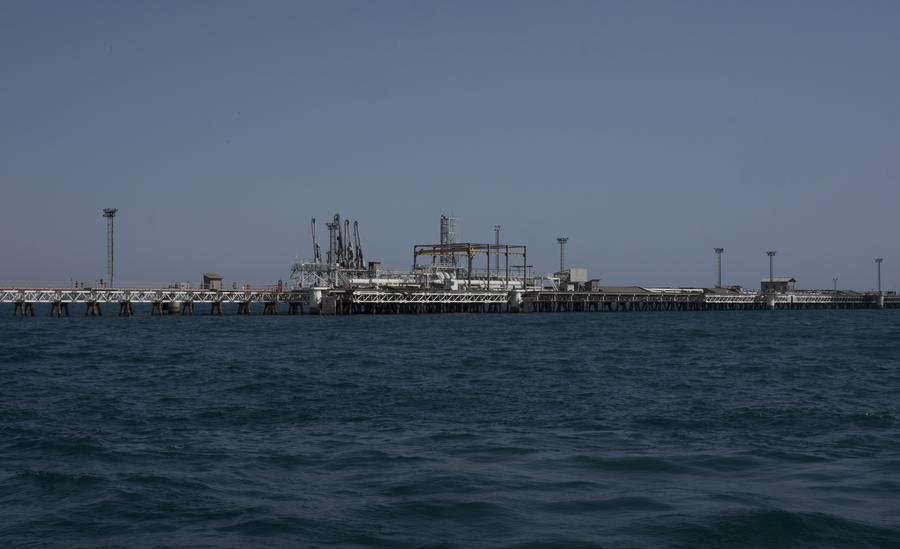
TEHRAN, March 14 (Xinhua) -- U.S. President Donald Trump said on Friday that American forces had carried out heavy strikes on Kharg Island, Iran's principal oil export terminal, while deliberately sparing its oil facilities.
Trump warned that any interference with shipping through the Strait of Hormuz, by Iran or any other party, would prompt him to "immediately reconsider" that decision, leaving open the possibility of future strikes on the island's energy infrastructure.
The standoff has renewed attention on the strategic island in the northern Gulf, which handles the bulk of Iran's crude oil exports. The following are key facts about the island and the apparent objectives of the U.S. strikes.
WHY KHARG ISLAND MATTERS?
Kharg Island lies about 25 km off Iran's northwestern Gulf coast. Roughly 6 km long and 3 km wide, it handles about 90 percent of Iran's crude exports because much of Iran's coastline is too shallow for large tankers.
The island has served as Iran's main oil export terminal since the 1960s, when its facilities were built with the involvement of U.S. oil companies. Tehran has since expanded and upgraded its infrastructure over the decades. Today, crude shipped from Kharg forms the backbone of the Iranian government's revenue.
The island contains storage tanks, pipelines, and deep-water jetties that allow supertankers to load crude. Many facilities are concentrated and exposed, making them vulnerable to attack.

Kharg has long held strategic value. Iran heavily defends the island and maintains military installations there. Iran's Parliament Speaker Mohammad Bagher Ghalibaf said on Thursday that any aggression against the Iranian islands will "shatter all restraint."
WHY WERE KHARG'S OIL FACILITIES SPARED?
Observers say the decision not to strike oil infrastructure could signal a broader U.S. strategy.
Iran's Fars News Agency confirmed on Saturday that the U.S. strikes hit defensive positions, bases, and helicopter facilities, leaving oil installations untouched.
Analysts cite several possible reasons:
First, avoiding energy shocks. Disrupting exports from Kharg Island could drive global oil prices higher, worsening inflation and economic risks worldwide and potentially backfiring on the United States.
Second, preserving potential "loot." Some energy analysts suggest Washington may want to keep Iran's oil infrastructure intact, should the current leadership in Tehran be displaced. In effect, Washington may already be treating Iran's energy assets as a potential prize of war rather than a military target.
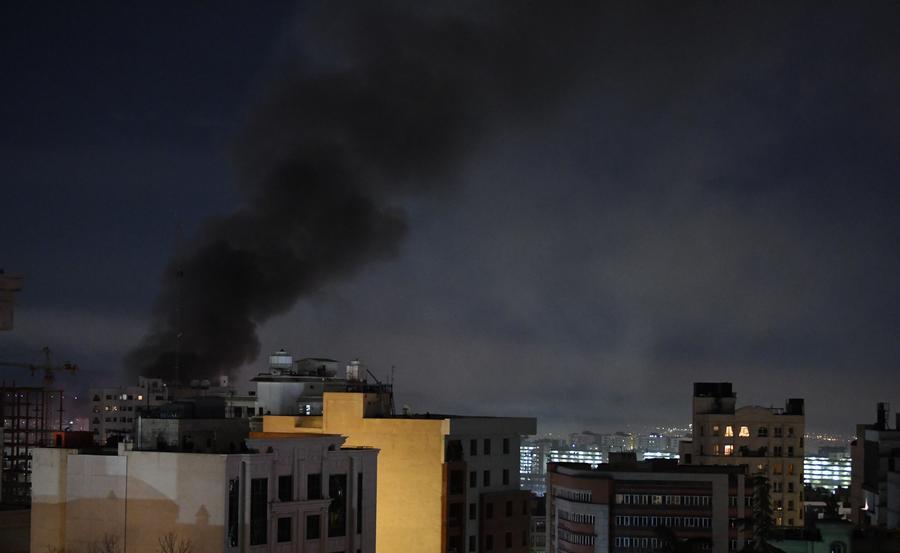
Third, limiting domestic backlash in Iran. Attacks on civilian energy facilities could rally public support for the government instead of weakening it. U.S. media reports said Washington had also restrained Israeli strikes on Iranian energy storage sites for this reason.
Fourth, mitigating regional retaliation. Iranian officials have warned that attacks on their energy sector would prompt strikes on oil and gas infrastructure across the Middle East linked to the United States or its allies.
COULD U.S. FORCES SEIZE THE ISLAND?
Some U.S. media reports suggest Washington is weighing options to seize Kharg Island, though analysts stress the risks.
Capturing the island would cripple Iran's oil exports and could provide leverage in negotiations, security experts say.
But its proximity to the Iranian mainland would expose any landing force to missiles, drones, and naval attacks, making an amphibious assault far more dangerous than airstrikes.
U.S. officials said the amphibious assault ship USS Tripoli has been deployed to the Middle East with the 31st Marine Expeditionary Unit, which typically includes about 2,200 Marines and aircraft such as MV-22 Ospreys, helicopters, and F-35 fighters. With support forces, the unit can reach about 5,000 personnel.
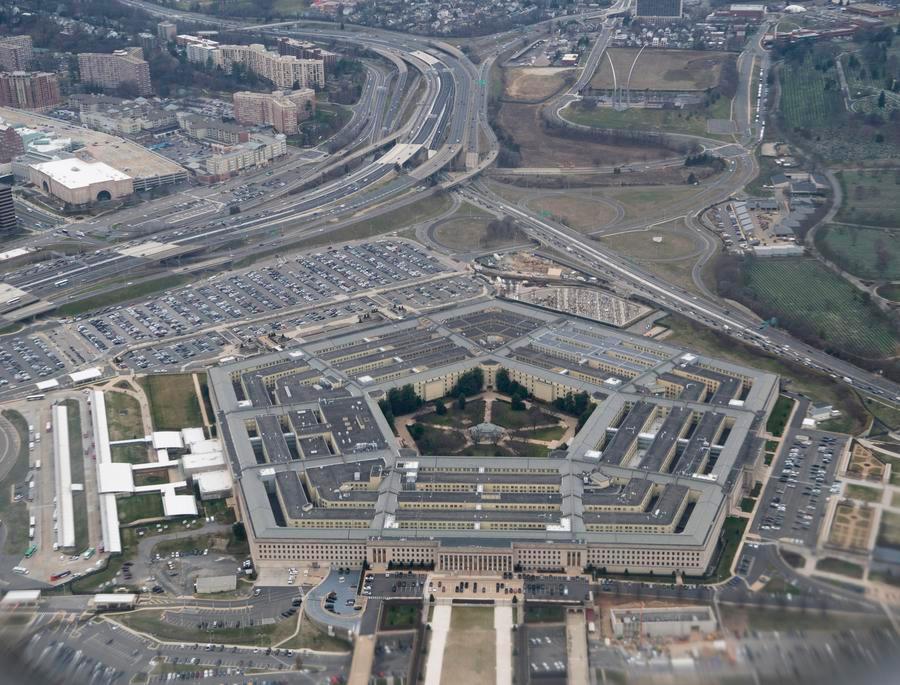
A Pentagon official told Fox News the deployment expands military options and that the unit is ready for ground operations if ordered. ■










Comments