欧美精品在线第一页,久久av影院,午夜视频在线播放一三,久久91精品久久久久久秒播,成人一区三区,久久综合狠狠综合久久狠狠色综合,成人av一区二区亚洲精,欧美a级在线观看
         
        China's economic reforms provide valuable lessons for developing countries: World Bank chief
                         Source: Xinhua | 2018-11-01 02:27:14 | Editor: huaxia

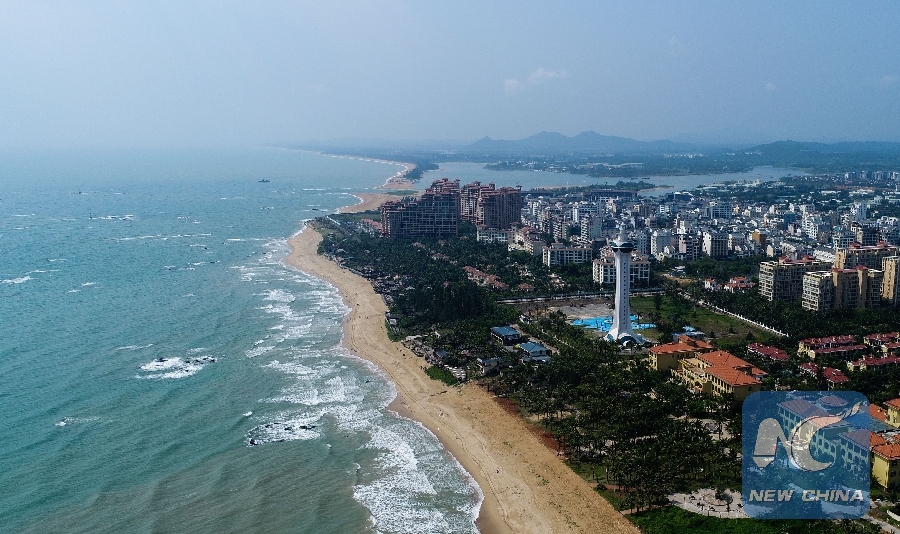
        File Photo: Aerial photo taken on March 15, 2018 shows coastal scenery of Boao Town in south China's Hainan Province. (Xinhua/Yang Guanyu)

        by Xinhua writers Gao Pan, Yan Liang

        WASHINGTON, Oct. 30 (Xinhua) -- China's reform and opening-up over the past 40 years has transformed the country into the world's second largest economy and provided valuable lessons for other developing countries to achieve economic success and alleviate poverty, World Bank Group (WBG) President Jim Yong Kim has said.


        OPENING-UP SUCCESS

        "Four decades of reforms have brought China to where it is now -- the second largest economy in the world, and one of the few countries that will soon have made the journey from a low-income to a high-income country," Kim told Xinhua in a recent exclusive interview before his upcoming visit to China, scheduled for Nov. 1-7.

        "We have been part of this success and have been a partner of China for 38 years" since then-World Bank President Robert McNamara visited China in 1980, said Kim, who will address an international forum in Beijing to reflect on China's reforms that have lifted more than 800 million people out of poverty.

        Meanwhile, China's share in the world economy rose from 1.5 percent in 1978 to about 15 percent now, and its per capita income increased 25-fold from 300 U.S. dollars in 1978 to 7,300 dollars by 2017, according to Kim.

        "Understanding the path China traveled, historical decisions made, and their effects on the course of China's economy can inform decision makers hoping to achieve similar outcomes in their countries and for their populations," he said.

        Kim, former president of Dartmouth College, outlined two specific lessons that other developing countries could learn from China's economic success.

        First, China's reform and opening-up program was the basis for the rapid growth that allowed people to lift themselves out of poverty, with hundreds of millions of rural citizens building better lives in the city.

        Second, a focused and sustained effort targeted at poverty reduction was present throughout the reform period.

        "From the start, for instance, poverty alleviation received strong political support from the highest levels of government and a separate organization dedicated to fight poverty was created," he said.


        MARATHON, NOT SPRINT

        The Chinese government has placed high importance on improving the country's business environment as it plans to further deepen reform and opening-up during a new era of high-quality development.

        Recent years have seen the government relentlessly cutting red tape in light of market bottlenecks and bringing the country up to advanced global standards in terms of business-friendliness.

        "I will be participating in an event meant to highlight China's commitment to improve the business climate for small and medium enterprises," Kim said of an international symposium on doing business and reform in Beijing, which will present the reforms that China carried out in the past year to improve ITS business environment.

        "However, improving the business environment is a marathon, not a sprint. Reforms in many areas need to be sustained for several years to bring a tangible result and to help countries move towards the global best practice," he argued.

        The World Bank is ready to support China through knowledge sharing, policy advice and technical assistance, drawing on the best reform examples from around the world, Kim noted, adding that "we are also committed to showcasing China's successful reforms to other countries and help them learn from China's remarkable experience."

        "We are now working with China on international development issues, through the World Bank's International Development Association, through South-South learning initiatives, through China's international development initiatives such as China-Africa cooperation," he said.


        BRI PROJECTS

        While developing countries and emerging markets have a "massive infrastructure deficit," the focus of the China-proposed Belt and Road Initiative (BRI) needs to be on "broader connectivity and integration" and beyond building roads, rail and bridges, said the World Bank chief.

        "Countries along the Belt and Road must improve border and customs procedures, trade facilitation, and investment climates to maximize development benefits from investments in infrastructure," he said.

        In Kim's view, the size and scale of the BRI involves cross-border, complex and large infrastructure investments and the success of these investments is "highly dependent on the overall viability of the projects as well as on the institutional capacity of countries."

        "We need to be vigilant and mitigate potential risks -- including debt sustainability -- to ensure they don't undermine BRI's potential benefits," he said, adding the WBG is prepared to provide interested member countries with support to maximize the development benefits of BRI projects.

        The WBG is "well positioned" to support BRI projects with its experience in similar trade and connectivity projects, its unique institutional setup covering private and public sectors, and its range of financial and non-financial services such as guarantees and settlement of investment disputes, he argued.

        "The WBG can, for instance, advise on the economic viability of infrastructure investments, complementary policy and regulatory reforms, and the application of environmental, social and fiduciary standards," he said.

        According to Kim, the WBG is undertaking a comprehensive study on the economic impact of the BRI to help better inform policy makers in countries along Belt and Road. It's also cooperating with Chinese institutions on setting standards for the BRI in areas such as combatting corruption.

        The BRI, proposed in 2013, aims to achieve policy, infrastructure, trade, financial and people-to-people connectivity along and beyond the ancient Silk Road trade routes, thus building a platform for international cooperation to create new drivers of growth.


        MULTILATERAL APPROACH

        Amid the rise of trade tensions around the world, the World Bank, the International Monetary Fund and the World Trade Organization have joined together to advocate open trade and greater integration to reinvigorate the multilateral trading system.

        "There is a simple reason the World Bank promotes open trade: Trade is an engine of growth that creates jobs, reduces poverty and increases economic opportunity," Kim said, adding over 1 billion people have moved out of poverty because of economic growth underpinned by open trade since 1990.

        Recognizing the importance of global commerce for growth and poverty reduction, the World Bank will focus the next World Development Report on global value chains and their potential for helping developing countries integrate into global markets and create jobs, he said.

        "The current focus on trade tensions prevents us from looking at the unique untapped benefits further trade reform can bring to the global economy ... we need to strengthen and reinvest in the global trading system," Kim argued, suggesting greater openness in the areas of services and electronic commerce would promote competition, lift productivity, and raise living standards.

        During the week-long trip to China, Kim will visit Shanghai to address the first China International Import Expo (CIIE), which will be held from Nov. 5 to 10.

        The Expo is a significant move by the Chinese government to further open the Chinese market to the world.

        More than 3,000 companies, including over 200 enterprises that are leading in their industries from over 130 different countries and regions, have confirmed their participation in the expo.

        "We appreciate China's recent decision to lower import tariffs on 40 percent of product categories ... we understand the CIIE as also showcasing China's greater openness to importers. These are all moves in the right direction," Kim said.

        "We support what China is doing to expand imports and address global trade imbalances," he added.

        Kim, along with the leaders of five other major international economic and financial institutions, will also participate in a roundtable meeting held by Chinese Premier Li Keqiang on Nov. 6.

        They will discuss topics such as global economic trends, safeguarding the multilateral trade system, China's economy and reform and opening-up, according to Chinese Foreign Ministry spokesperson Lu Kang.

        It will be the third roundtable meeting for Li and leaders of the six institutions. The previous two meetings were held in 2016 and 2017.

        "Central to that discussion," said Kim, "will be to underline the need for continued close collaboration on challenges that require multilateral approaches despite growing headwinds."

        Back to Top Close
        Xinhuanet

        China's economic reforms provide valuable lessons for developing countries: World Bank chief

        Source: Xinhua 2018-11-01 02:27:14

        File Photo: Aerial photo taken on March 15, 2018 shows coastal scenery of Boao Town in south China's Hainan Province. (Xinhua/Yang Guanyu)

        by Xinhua writers Gao Pan, Yan Liang

        WASHINGTON, Oct. 30 (Xinhua) -- China's reform and opening-up over the past 40 years has transformed the country into the world's second largest economy and provided valuable lessons for other developing countries to achieve economic success and alleviate poverty, World Bank Group (WBG) President Jim Yong Kim has said.


        OPENING-UP SUCCESS

        "Four decades of reforms have brought China to where it is now -- the second largest economy in the world, and one of the few countries that will soon have made the journey from a low-income to a high-income country," Kim told Xinhua in a recent exclusive interview before his upcoming visit to China, scheduled for Nov. 1-7.

        "We have been part of this success and have been a partner of China for 38 years" since then-World Bank President Robert McNamara visited China in 1980, said Kim, who will address an international forum in Beijing to reflect on China's reforms that have lifted more than 800 million people out of poverty.

        Meanwhile, China's share in the world economy rose from 1.5 percent in 1978 to about 15 percent now, and its per capita income increased 25-fold from 300 U.S. dollars in 1978 to 7,300 dollars by 2017, according to Kim.

        "Understanding the path China traveled, historical decisions made, and their effects on the course of China's economy can inform decision makers hoping to achieve similar outcomes in their countries and for their populations," he said.

        Kim, former president of Dartmouth College, outlined two specific lessons that other developing countries could learn from China's economic success.

        First, China's reform and opening-up program was the basis for the rapid growth that allowed people to lift themselves out of poverty, with hundreds of millions of rural citizens building better lives in the city.

        Second, a focused and sustained effort targeted at poverty reduction was present throughout the reform period.

        "From the start, for instance, poverty alleviation received strong political support from the highest levels of government and a separate organization dedicated to fight poverty was created," he said.


        MARATHON, NOT SPRINT

        The Chinese government has placed high importance on improving the country's business environment as it plans to further deepen reform and opening-up during a new era of high-quality development.

        Recent years have seen the government relentlessly cutting red tape in light of market bottlenecks and bringing the country up to advanced global standards in terms of business-friendliness.

        "I will be participating in an event meant to highlight China's commitment to improve the business climate for small and medium enterprises," Kim said of an international symposium on doing business and reform in Beijing, which will present the reforms that China carried out in the past year to improve ITS business environment.

        "However, improving the business environment is a marathon, not a sprint. Reforms in many areas need to be sustained for several years to bring a tangible result and to help countries move towards the global best practice," he argued.

        The World Bank is ready to support China through knowledge sharing, policy advice and technical assistance, drawing on the best reform examples from around the world, Kim noted, adding that "we are also committed to showcasing China's successful reforms to other countries and help them learn from China's remarkable experience."

        "We are now working with China on international development issues, through the World Bank's International Development Association, through South-South learning initiatives, through China's international development initiatives such as China-Africa cooperation," he said.


        BRI PROJECTS

        While developing countries and emerging markets have a "massive infrastructure deficit," the focus of the China-proposed Belt and Road Initiative (BRI) needs to be on "broader connectivity and integration" and beyond building roads, rail and bridges, said the World Bank chief.

        "Countries along the Belt and Road must improve border and customs procedures, trade facilitation, and investment climates to maximize development benefits from investments in infrastructure," he said.

        In Kim's view, the size and scale of the BRI involves cross-border, complex and large infrastructure investments and the success of these investments is "highly dependent on the overall viability of the projects as well as on the institutional capacity of countries."

        "We need to be vigilant and mitigate potential risks -- including debt sustainability -- to ensure they don't undermine BRI's potential benefits," he said, adding the WBG is prepared to provide interested member countries with support to maximize the development benefits of BRI projects.

        The WBG is "well positioned" to support BRI projects with its experience in similar trade and connectivity projects, its unique institutional setup covering private and public sectors, and its range of financial and non-financial services such as guarantees and settlement of investment disputes, he argued.

        "The WBG can, for instance, advise on the economic viability of infrastructure investments, complementary policy and regulatory reforms, and the application of environmental, social and fiduciary standards," he said.

        According to Kim, the WBG is undertaking a comprehensive study on the economic impact of the BRI to help better inform policy makers in countries along Belt and Road. It's also cooperating with Chinese institutions on setting standards for the BRI in areas such as combatting corruption.

        The BRI, proposed in 2013, aims to achieve policy, infrastructure, trade, financial and people-to-people connectivity along and beyond the ancient Silk Road trade routes, thus building a platform for international cooperation to create new drivers of growth.


        MULTILATERAL APPROACH

        Amid the rise of trade tensions around the world, the World Bank, the International Monetary Fund and the World Trade Organization have joined together to advocate open trade and greater integration to reinvigorate the multilateral trading system.

        "There is a simple reason the World Bank promotes open trade: Trade is an engine of growth that creates jobs, reduces poverty and increases economic opportunity," Kim said, adding over 1 billion people have moved out of poverty because of economic growth underpinned by open trade since 1990.

        Recognizing the importance of global commerce for growth and poverty reduction, the World Bank will focus the next World Development Report on global value chains and their potential for helping developing countries integrate into global markets and create jobs, he said.

        "The current focus on trade tensions prevents us from looking at the unique untapped benefits further trade reform can bring to the global economy ... we need to strengthen and reinvest in the global trading system," Kim argued, suggesting greater openness in the areas of services and electronic commerce would promote competition, lift productivity, and raise living standards.

        During the week-long trip to China, Kim will visit Shanghai to address the first China International Import Expo (CIIE), which will be held from Nov. 5 to 10.

        The Expo is a significant move by the Chinese government to further open the Chinese market to the world.

        More than 3,000 companies, including over 200 enterprises that are leading in their industries from over 130 different countries and regions, have confirmed their participation in the expo.

        "We appreciate China's recent decision to lower import tariffs on 40 percent of product categories ... we understand the CIIE as also showcasing China's greater openness to importers. These are all moves in the right direction," Kim said.

        "We support what China is doing to expand imports and address global trade imbalances," he added.

        Kim, along with the leaders of five other major international economic and financial institutions, will also participate in a roundtable meeting held by Chinese Premier Li Keqiang on Nov. 6.

        They will discuss topics such as global economic trends, safeguarding the multilateral trade system, China's economy and reform and opening-up, according to Chinese Foreign Ministry spokesperson Lu Kang.

        It will be the third roundtable meeting for Li and leaders of the six institutions. The previous two meetings were held in 2016 and 2017.

        "Central to that discussion," said Kim, "will be to underline the need for continued close collaboration on challenges that require multilateral approaches despite growing headwinds."

        010020070750000000000000011105091375726531
        主站蜘蛛池模板: 欧美日韩一区二区高清| 国产一区二区国产| 91精品视频在线免费观看| 韩漫无遮韩漫免费网址肉| 亚洲精品suv精品一区二区| 日韩精品久久一区二区| 国产乱淫精品一区二区三区毛片| 国产精品天堂| 中文字幕一区二区三区不卡| 日本一码二码三码视频| 精品国产一区二区三区四区四| 97人人模人人爽人人喊38tv| 国产精品日本一区二区不卡视频 | 自偷自拍亚洲| 欧美高清性xxxxhd| 色噜噜狠狠色综合影视| 欧美一区二区免费视频| 97国产婷婷综合在线视频,| 国产无遮挡又黄又爽免费网站| 国产日韩欧美精品一区| 天天干狠狠插| 久久久久久久亚洲视频| 国产欧美日韩精品在线| 97视频一区| 欧美日韩精品在线播放| 久久久久久国产一区二区三区| 精品国产一区二区在线| 国产精品自拍在线观看| 国产精品白浆视频| 亚洲精品日韩在线| 欧美日韩激情一区二区| 色噜噜狠狠色综合影视| 国产99久久久精品视频| 91久久精品在线| 丰满岳乱妇在线观看中字| 欧美国产精品久久| 日韩精品一区中文字幕| 国产精品欧美久久| 国产日韩区| 国产激情视频一区二区| 国产中文字幕一区二区三区 | 日本一二三不卡| 欧美日韩国产一二| 国产欧美三区| 国产精品久久久久久av免费看| 国产欧美www| 久久中文一区二区| 欧美日韩激情一区| 国产精品麻豆一区二区| 国产88在线观看入口| 好吊妞国产欧美日韩免费观看网站| xxxx在线视频| 在线视频不卡一区| 电影午夜精品一区二区三区| 午夜精品一二三区| 亚洲一区欧美| 久久aⅴ国产欧美74aaa| 精品久久国产视频| 91精品中综合久久久婷婷| 日韩精品中文字幕久久臀| 国产精品香蕉在线的人| 日韩欧美高清一区| xxxxx色| 亚洲精品91久久久久久| 8x8x国产一区二区三区精品推荐| 亚洲w码欧洲s码免费| 欧美性受xxxx狂喷水| 日韩欧美中文字幕精品| 日韩一级在线视频| 美日韩一区| 午夜一级免费电影| 中文av一区| 亚洲精品国产setv| 夜夜夜夜夜猛噜噜噜噜噜gg| 久久天堂国产香蕉三区| 日韩欧美国产中文字幕| 午夜看片网站| 91精品资源| 91亚洲欧美日韩精品久久奇米色| 99国产精品9| 日本一二三区视频在线| 欧美乱偷一区二区三区在线 | 日本一区二区三区免费视频| 精品久久久久久久免费看女人毛片| 亚洲欧美色图在线| 思思久久96热在精品国产| 欧美一区二区三区免费视频| 99国产精品9| 午夜av免费看| www.日本一区| 夜夜夜夜曰天天天天拍国产| 91av一区二区三区| 日韩一级视频在线| 激情欧美一区二区三区| 国产免费第一区| 日本免费电影一区二区三区| 欧美精品在线视频观看| 一区二区久久久久| 91精品视频在线观看免费| 国产精品视频1区| 91视频国产九色| 亚洲欧洲一区二区| 日韩av一二三四区| 国产足控福利视频一区| 午夜一区二区三区在线观看| 国产资源一区二区| 亚洲国产日韩综合久久精品| 国产激情视频一区二区| 中文文精品字幕一区二区| 日本丰满岳妇伦3在线观看| 国产69精品久久久久9999不卡免费| 国产一区二区三区的电影| 国产aⅴ一区二区| 日韩国产精品久久久久久亚洲| 亚洲国产精品女主播| 国产免费第一区| 国产一区二区三区小说| 91精品一二区| 午夜少妇性影院免费观看| 欧美一区二区三区久久精品视| 国产精品九九九九九| 欧美髙清性xxxxhdvid| 亚洲精品老司机| 久久艹国产精品| 少妇又紧又色又爽又刺激视频网站| 色一情一乱一乱一区99av白浆| 久久99中文字幕| 国产理论片午午午伦夜理片2021 | 96国产精品| 91午夜在线观看| 麻豆天堂网| 亚洲一级中文字幕| 久久国产麻豆| 国产亚洲精品久久午夜玫瑰园| 国产精品久久久爽爽爽麻豆色哟哟| 亚洲欧美一二三| 国产有码aaaae毛片视频| 日韩av免费电影| 99er热精品视频国产| 午夜电影毛片| 国产一区二区电影在线观看| 国产在线精品一区二区在线播放| 国产精品96久久久| 中文字幕制服狠久久日韩二区| 强制中出し~大桥未久10在线播放| 亚洲乱亚洲乱妇28p| 91久久一区二区| 国产女人和拘做受视频免费| 国产精品69久久久| 日韩欧美精品一区二区三区经典| 国产在线一二区| 91视频国产一区| 亚洲精品卡一| 久久久久久久国产| 国产日韩欧美一区二区在线播放| 日韩中文字幕区一区有砖一区| 欧美777精品久久久久网| 国产欧美日韩另类| 国产第一区二区三区| 国产精品一区亚洲二区日本三区| 国产精品久久久久免费a∨大胸| 欧美在线精品一区| 欧美精品一区二区三区四区在线| 欧美日韩国产区| 日韩久久精品一区二区三区| 国产午夜精品一区| 狠狠躁天天躁又黄又爽| 又黄又爽又刺激久久久久亚洲精品 | 国产97在线看| av午夜剧场| 国产不卡一二三区| 免费的午夜毛片| 国产一区二区三区四区五区七| 一区二区午夜| 亚洲精品久久久久玩吗| 91视频国产九色| av午夜剧场| 欧美老肥婆性猛交视频| 综合国产一区| 狠狠躁夜夜躁人人爽天天天天97| 国产精品久久亚洲7777| 91精品久久久久久久久久| 国产一区二区麻豆| 国产一级二级在线| 午夜av在线电影| 国产一区二区在线免费| 日韩精品免费一区二区夜夜嗨| 国产伦高清一区二区三区| 91精品丝袜国产高跟在线| 国产欧美一区二区精品性色超碰| 欧美一区二区三区免费播放视频了| 欧美日韩亚洲三区| 亚洲国产精品激情综合图片| 中文字幕欧美日韩一区| 国产日韩欧美三级| 一区二区三区日韩精品| 亚洲精品乱码久久久久久麻豆不卡| 国产精品视频二区三区| 欧美精品一卡二卡| 91一区二区三区久久国产乱| 欧美3p激情一区二区三区猛视频 | 国产91精品高清一区二区三区| 亚洲欧洲日本在线观看| 99精品在免费线偷拍| 久久精品亚洲一区二区三区画质| 久久不卡精品| 视频二区狠狠色视频| 久久精品国产综合| 午夜影院激情| 亚洲伊人久久影院| 国产麻豆91视频| 国产97久久| 欧美精品xxxxx| 国产一区二区黄| 国产一区二区在线观| 精品一区中文字幕| 国产天堂一区二区三区| 久久久精品视频在线| 国产日韩欧美中文字幕| 国产99久久久国产精品免费看| 夜夜嗨av一区二区三区中文字幕| 91狠狠操| 国产高清一区在线观看| 夜夜躁人人爽天天天天大学生| 99久久精品一区二区| 久久99亚洲精品久久99果| 欧美一区免费| 2023国产精品久久久精品双| 在线精品国产一区二区三区 | 国产精品v一区二区三区| 在线亚洲精品| 精品国产乱码久久久久久久久| 少妇久久免费视频| 欧美精品五区| 午夜精品99| 国产精品日韩精品欧美精品| 激情久久久| 99热一区二区| 91热精品| 91精品啪在线观看国产线免费| 国产精品久久久久久久久久久新郎| 欧美国产一区二区在线| 中文字幕一区二区三区不卡 | 麻豆91在线| 国产精品对白刺激在线观看| 国产经典一区二区三区|